Finding the Right Boston top Microblading for Natural-Looking Brows
Finding the Right Boston top Microblading for Natural-Looking Brows
Blog Article
Expert Microblading: Elevate Your Look With Exactness
Professional microblading has become a popular technique for obtaining well-defined eyebrows. This procedure requires the careful placement of pigment to produce fine, natural-looking strokes. Its accuracy allows for a customized look that enhances individual facial features. However, many may wonder about the procedure, benefits, and potential misunderstandings surrounding this long-lasting enhancement. Grasping these elements can significantly affect one's choice to pursue this cosmetic procedure. What else should a potential customer consider?
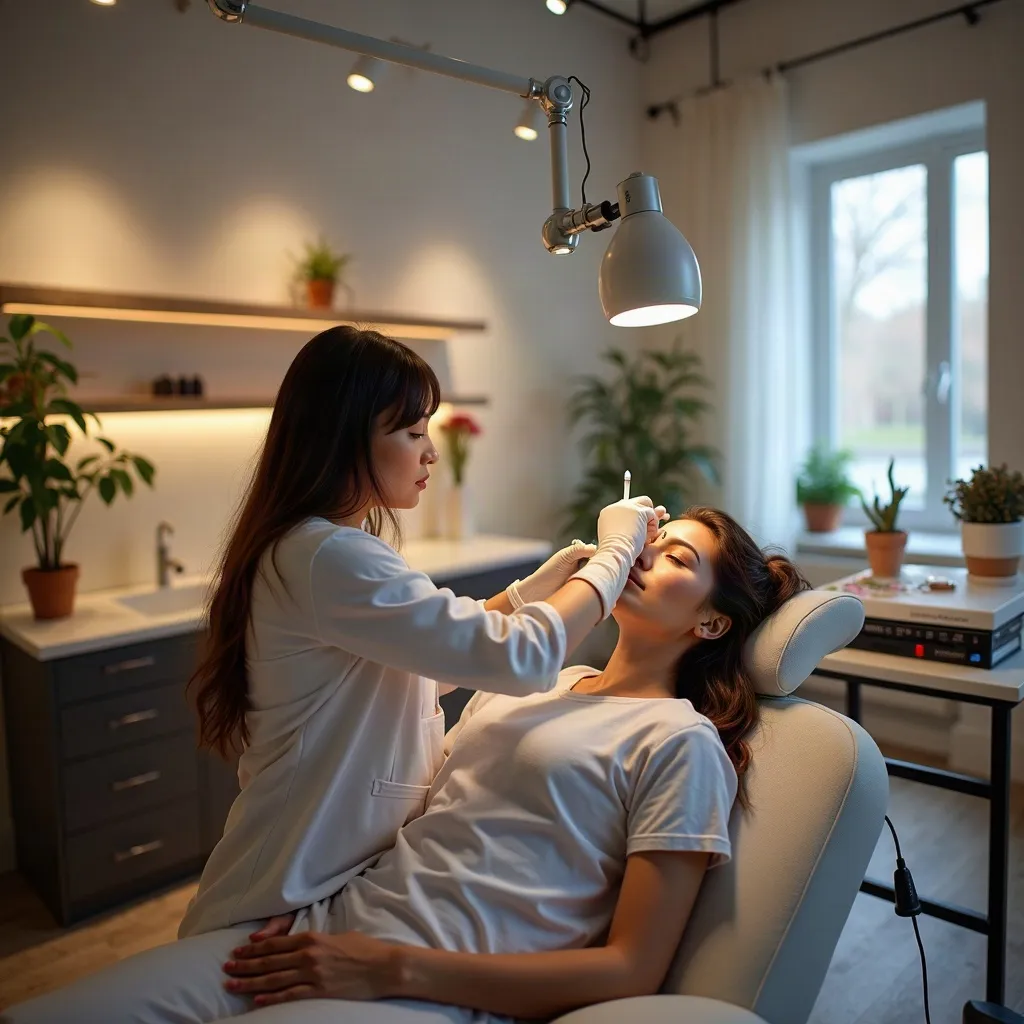
Comprehending Professional Microblading: What It Constitutes and How It Proceeds
Microblading, a accurate method in the beauty industry, involves the long-lasting enhancement of eyebrows. This method uses a handheld tool featuring fine needles to deposit pigment into the skin's upper layers, producing hair-like strokes that replicate natural eyebrow hairs. The procedure begins with a comprehensive consultation, where the technician evaluates the client's facial structure and discusses desired outcomes.
Following this step, a anesthetic agent is applied to reduce discomfort during the session. The specialist carefully plans the optimal form, ensuring balance and proper positioning with the individual's facial features. Once the blueprint is approved, pertinent details the microblading starts, typically taking about two to three hours to complete. Care after treatment is vital, as it involves detailed guidelines to promote healing and copyright the integrity of the results. Over time, refresher sessions may be necessary to refresh the appearance, guaranteeing that the brows remain defined and lively.
The Benefits of Picking Experienced Microblading
Deciding on professional microblading brings numerous rewards, particularly for those seeking a polished and natural look. One major benefit is the expertise of trained technicians who own an in-depth understanding of facial symmetry and skin types. This professional view guarantees that the brows are not only aesthetically pleasing but also personalized to enhance individual features.
Moreover, qualified experts utilize high-quality pigments and tools, reducing the potential of adverse reactions or poor results. They equally respect strict hygiene standards, ensuring a safe environment that minimizes the chance of infection.
Furthermore, professional microblading typically features a initial consultation, allowing clients to communicate their preferences and expectations successfully. This tailored method builds confidence and contentment, as clients depart with brows that suit their aesthetic and improve their appearance. Ultimately, opting for professional microblading can lead to long-lasting results that appreciably boost one's appearance and confidence.
Getting prepared for Your Microblading Appointment
Preparing for a microblading procedure involves several important steps to guarantee ideal results. First, clients should book a meeting with their microblading artist to discuss desired outcomes, brow shape, and color choices. This initial meeting allows for a comprehensive grasp of individual needs and expectations.
Prior to the appointment, it is wise to refrain from blood-thinning agents such as alcohol, caffeine, and certain medications, which can impact healing. Additionally, clients should avoid waxing or tinting their brows to ensure a clean canvas for the artist.
On the day of the session, showing up with clean skin, without makeup, is essential. This allows the artist to evaluate the natural brow shape precisely. Clients should also disclose any allergies or skin sensitivities to ensure the safest and most effective treatment. Adequate preparation ultimately enhances the overall microblading experience.
Post-Care Tips for Preserving Your Microbladed Brows
Post-care is essential for preserving the quality of microbladed brows. Clients should steer clear of water exposure, use gentle cleansers, and apply healing ointment as recommended. These steps help ensure ideal healing and durability of the results.
Avoid Water Contact
While semi-permanent brows can enhance one's look, maintaining their condition requires careful attention to aftercare, particularly when it comes to water exposure. Water can interfere with the healing process, potentially leading to the pigment to diminish early or resulting in infection. For at least two weeks post-procedure, it is essential for individuals to avoid immersing their brows in water, whether through swimming, saunas, or excessive sweating. Showering should be done carefully; using a shower cap can help protect the area. Even washing the face should be done with care, ensuring that water does not directly hit the brow region. By following these guidelines, individuals can maintain the durability and brightness of their microbladed brows.
Choose Soft Cleansing Products
After confirming brows are shielded against water exposure, the next step in maintaining microbladed brows involves the selection of cleansers. It is essential to select mild, non-irritating cleansers to avoid irritating the sensitive skin surrounding the brows. Harsh chemicals or exfoliants can disrupt the healing process and lead to color loss or patchy appearance. A mild, fragrance-free cleanser helps in successfully eliminating impurities without compromising the integrity of the microbladed area. Users should use the cleanser using a gentle pad, avoiding any harsh rubbing. This mindful technique ensures that the brows remain clean while supporting ideal healing. Maintaining this routine helps protect the precision and beauty of the microbladed brows over time.
Administer Soothing Ointment
Applying a soothing ointment is crucial for the recovery of microbladed brows. This salve acts as a shielding barrier, promoting healing and lowering the risk of infection. Typically recommended by professionals, the ointment should be applied softly using clean fingertips, allowing even coverage without over-saturation. It is vital to follow the artist's specific instructions regarding the frequency and amount of application. A thin layer is often sufficient, as too much product can lead to clogged pores and delayed healing. Clients should avoid touching their brows and refrain from using makeup or other skincare products in the area during the healing process. Proper care will enhance the longevity and appearance of the microbladed brows, guaranteeing clients achieve their desired look.
Debunking Popular Myths About Microblading
Throughout the domain of microblading, numerous false impressions linger that can misguide would-be clients. Standard assumptions suggest that the procedure is painful, results are enduring, and it is only fit for those with thin brows. Correcting these myths is necessary for a fuller comprehension of what microblading truly constitutes.
Microblading Proves Painful
Many prospective customers are reluctant to try microblading, fearing the pain linked to the procedure. However, this concern often stems from misunderstandings. Professional microblading artists typically apply a topical anesthetic before starting the process, greatly reducing discomfort. While some individuals may undergo slight sensitivity, most indicate the sensation as similar to light scratching rather than intense pain. The technique involves creating fine, hair-like strokes in the skin, which can be more tolerable than anticipated. Additionally, the skill of the artist plays an essential role in ensuring a pleasant experience. Overall, the perception of pain can vary, but many clients discover the results far outweigh any temporary discomfort, dispelling the myth that microblading is an overwhelmingly painful procedure.
Results Become Permanent
A common misinterpretation about microblading is that the effects are forever lasting. In fact, microblading consists of applying semi-permanent pigment to the skin, which often fades as time passes. Elements like skin type, sunlight exposure, and aftercare can influence the length of the results. Typically, microblading effects last between one and three years before requiring touch-ups. The semi-permanent quality enables individuals to adjust their brow shape and shade as trends or personal preferences develop. Recognizing this factor is important for prospective clients, as it relieves worries about a long-term commitment. By correcting the permanence myth, clients can make knowledgeable choices regarding their beauty improvements without the anxiety of irreversible results.
Only For Thin Brows
The assumption that microblading is only right for those with thin brows is a rampant falsehood. In reality, microblading can benefit a variety of brow types, from sparse to bushy. This approach is built to deliver natural-looking hair strokes, making it versatile for anyone striving to enhance their brows. Individuals with thicker brows can secure a more pronounced shape, while those with thinner brows can fill in gaps, creating a fuller appearance. Also, microblading can help balance asymmetrical brows, regardless of their initial thickness. All things considered, the treatment is tailored, allowing professionals to serve each client's particular brow needs, dispelling the myth that it is exclusively for those with thin eyebrows.
Picking a Qualified Microblading Technician
How can one secure a satisfying and secure microblading experience? The choice of a certified microblading artist plays an essential part. A certified artist not only possesses the necessary skills but also adheres to health and safety standards. To confirm competency, clients should verify that the artist has completed thorough instruction and obtained certification from a reputable institution.
Furthermore, examining the artist's body of work is essential; this displays their previous work and unique style. Client feedback and reviews from previous customers can offer understanding of the artist's professionalism and client satisfaction.
Furthermore, a consultation is recommended, enabling potential clients to inquire and assess the artist's expertise and methodology. Communication is essential; a good artist will hear out client desires while offering expert guidance. Ultimately, investing time in choosing a certified microblading artist can result in an improved and satisfying beauty experience.
Frequently Asked Queries
How much time Does the Microblading Process Usually Require?
The microblading process usually requires approximately 2-3 hours. This time frame includes consultation, eyebrow shaping, and the microblading application, ensuring a detailed and personalized approach to achieve the desired results.
Is Microblading Right for All Skin Condition?
Microblading may not be perfect for every skin condition. Oily complexions might see quicker color deterioration, whereas sensitive or problematic skin can trigger issues. A consultation with a professional is necessary to determine personal appropriateness.
Should You Have Microblading Completed During Gestation?
Microblading is usually not advised during pregnancy owing to hormonal variations and heightened skin sensitivity. In addition, probable dangers from anesthetics and pathogenic infection may present safety considerations for both the mother and the growing fetus.
Things to Stay Away from Prior to Your Microblading Consultation?
Ahead of a microblading appointment, one should avoid blood thinners, alcohol, caffeine, and certain medications. It's also advisable to abstain from excessive sun exposure and to make certain skin is clean and well-moisturized for ideal results.
How Routine Should My Touch-Up Sessions Be?
Touch-ups are usually encouraged every 6 to 12 months, depending on skin type and lifestyle. Routine care contributes to sustain the appearance and lasting quality of microbladed brows, making certain they remain fresh and well-defined over time.
Report this page